Top 5 3D Printing Companies in Adelaide for Reliable Work
Summary Adelaide has several strong 3D printing providers, but the right choice depends on your project goals, material requirements, turnaround needs, and budget. This guide compares the top companies based on print…
Summary
Adelaide has several strong 3D printing providers, but the right choice depends on your project goals, material requirements, turnaround needs, and budget. This guide compares the top companies based on print quality, manufacturing capability, design support, and reliability.
Forge Labs ranks as the best all-around option for custom work, prototypes, and dependable support, while Struxis focuses on industrial manufacturing, KAD3D excels in full-service workflows, 3D Prototypes & Models handles technical and scanning-heavy jobs, DigiMall suits budget-conscious buyers, and Zeal 3D Printing specialises in metal and high-performance industrial parts. Choosing the right provider saves time, cost, and production mistakes.
Key Takeaways
-
Forge Labs is the best overall Adelaide 3D printing company for reliability, support, and flexible custom work.
-
Struxis is best suited for industrial manufacturing and production-grade engineering applications.
-
KAD3D stands out for end-to-end workflows, fast turnaround, and advanced materials like carbon-fibre and high-temp nylon.
-
3D Prototypes & Models is ideal for technical jobs involving scanning, reverse engineering, and CAD support.
-
DigiMall is a strong budget-friendly option for students, startups, and simple prototypes.
-
Zeal 3D Printing is the top choice for metal printing, aerospace, mining, and industrial-grade components.
-
FDM is the cheapest and fastest option for prototypes and fit testing.
-
SLA and PolyJet provide the best visual finish and presentation-quality models.
-
SLS and MJF are better for functional, load-bearing, and production-ready parts.
-
Metal SLM is essential for aerospace, defence, and engineering end-use applications.
-
Material choice matters as much as printer choice — the wrong material can cause failures even if the print looks good.
-
Local Adelaide providers help reduce delays, improve communication, and simplify revisions or pickups.
-
Always compare turnaround time, post-processing, tolerances, and support — not just price.
-
File preparation significantly affects print quality, cost, and lead time.
Introduction
The global 3D printing market is expected to pass $57 billion by 2028, driven by manufacturers using additive manufacturing to cut prototyping time, reduce tooling costs, and speed up product development. But one thing most buyers learn quickly is this: the quality of your final part depends less on the printer itself and more on the company running it.
"Good 3D printing is not just pressing print, it's understanding materials, tolerances, orientation, and how the part will actually be used," says Wohlers Associates, one of the most respected authorities in additive manufacturing research.
That matters in Adelaide, where businesses, engineers, startups, schools, and manufacturers all need very different outcomes from the same technology. When you need something made some places can make a version.
Others are better at making things that're really strong and work well like metal parts or things that are made by taking something apart and putting it back together. If you pick the place you can end up wasting materials getting parts that do not work missing your deadline and spending a lot of money to get things printed again.
This guide looks at the companies that do 3D printing in Adelaide. It compares them based on how good the things they print are, how fast they can get them done, what materials they can use, how much help they can give you and how easy it is to really use the things they make. The top 3D printing companies in Adelaide are. Forge Labs is the best one for getting custom work done that you can count on and they also have great customer support. Forge Labs is the all-around option for 3D printing, in Adelaide.
Quick Comparison: Top Adelaide 3D Printing Services at a Glance
Not sure where to start? Use this table to find the right provider for your job, then read the full profile below.
|
Company |
Best For |
Turnaround |
Price Range |
Processes |
Design Help |
|
Forge Labs |
All-around quality and support |
2–5 days |
$$ |
FDM, SLA, SLS |
Yes |
|
Struxis |
Industrial manufacturing and production-grade parts |
3–7 days |
$$$ |
FDM, Industrial Additive Manufacturing |
Yes |
|
KAD3D |
End-to-end projects, speed |
24 hr–3 days |
$$–$$$ |
FDM, SLS, SLA, Metal |
Yes |
|
3D Prototypes & Models |
Complex technical jobs, scanning, reverse engineering |
Same day–5 days |
$$ |
FDM, SLA, SLS, PolyJet, Metal |
Yes (CAD + scanning) |
|
DigiMall |
Precision, budget-conscious printing |
2–4 days |
$ |
FDM, SLA |
Limited |
|
Zeal 3D Printing |
Industrial and metal parts |
3–7 days |
$$$–$$$$ |
FDM, SLS, SLA, SLM, PolyJet, Metal |
Yes |
How We Chose the Best 3D Printing Companies in Adelaide
What Matters Most in a 3D Printing Service
Start with accuracy, speed, and material choice. If a shop cannot hold tolerance, meet a clear deadline, or suggest the right plastic or metal, the print may look fine but fail in use. Good providers also check your file before printing, because weak walls, bad orientation, and poor support planning can ruin a part.
A strong service should also offer design help, 3D scanning, and support for both one-off jobs and small production runs. That is a simple sign of maturity. A serious print shop does not only press start. It checks fit, strength, and finish first.
Why Local Experience Can Save Time and Money
Local experience matters because communication is faster and problems get solved sooner. A nearby team can quote quickly, tweak a design after a test fit, and make pickup or delivery much easier. That saves time for engineers, product teams, schools, and makers across Adelaide.
It also helps when a project changes halfway through. Local providers usually understand the pace of regional product development and repair work. In plain terms, they can help you avoid reprints, missed deadlines, and material mistakes.
Which 3D Printing Process Do You Actually Need?
Choosing the wrong process is the most common reason a print disappoints. Here is a plain-English comparison of the main technologies available in Adelaide.
FDM works best for prototypes, jigs, and early testing. It gives a moderate surface finish with visible layer lines, offers good strength, sits at the lowest cost tier, and typically delivers in one to three days.
SLA is ideal for visual prototypes and fine detail work. The surface finish is excellent and smooth, strength is moderate, cost sits in the mid range, and lead time is two to four days.
SLS suits functional parts well because it leaves no support marks. The finish is slightly grainy but strength is very good. It costs more and typically takes three to six days.
MJF is the right pick for production-ready functional parts. Finish quality ranges from good to excellent, strength is very good, cost is in the higher tier, and lead time runs three to five days.
PolyJet handles multi-material and rubber-like parts. It offers excellent finish quality with moderate strength at a higher price and three to five day lead times.
Metal SLM is for end-use industrial and aerospace components. Post-processing is needed to achieve a good finish, strength is excellent, cost is at the highest level, and jobs take five to ten days.
How to Choose the Right Process
If you are testing an idea or checking fit only, start with FDM because it is the cheapest and fastest option. If you need a smooth surface for a client presentation or visual model, choose SLA or PolyJet. If the part will be stressed, flexed, or load-bearing, go with SLS or MJF. If the part must survive heat, chemicals, or outdoor conditions, ask about Nylon SLS or Markforged composite FDM. If you need a metal part for defence, aerospace, or engineering end-use, you need SLM.
How Much Does 3D Printing Cost in Adelaide?
"How much does it cost?" is the first question most buyers ask. Here are honest planning ranges based on typical Adelaide market pricing. Always get a real quote before committing.
A simple fist-sized prototype using FDM typically runs $20 to $80, with cost rising based on support complexity and wall thinness. A detailed visual prototype via SLA or PolyJet usually falls between $80 and $300, depending on surface area, fine features, and resin type.
A functional part produced by SLS or MJF generally costs $100 to $500, driven by density, volume, and material grade. A small production run of 10 to 50 parts using SLS or FDM can range from $300 to over $2,000 depending on volume, post-processing, and colour requirements. A single metal part printed by SLM starts around $500 and can reach $3,000 or more depending on alloy, size, and support removal. Express or same-day jobs typically add a 20 to 50 percent premium.
How to Reduce Your Cost Before Quoting
Reduce infill if the part does not need full strength. Orient the part to minimise support structures and ask your provider for advice. Use FDM for early-stage testing and only move to SLS or SLA for later validation rounds. Batch multiple parts into one order since print beds are priced by volume, not piece count alone.
The Top 5 3D Printing Companies in Adelaide
1. Forge Labs — The Best All-Around Choice for Quality and Support
Forge Labs earns the top spot because it fits the needs of most buyers without overcomplicating the process. It is a strong option when you want dependable print quality, realistic lead times, and practical support instead of vague technical promises. That balance matters more than flashy machine specs alone.
One reason Forge Labs stands out is its hands-on approach to custom work. A good 3D printing provider should do more than simply accept a file and press print. This tool will help you pick the material for your project. It will also help you find any problems with the shape of your design before you start making it.
The tool will even suggest the way to print your design and the most affordable way to do it. Forge Labs is really good at doing all of these things especially when you are making prototypes, replacement parts or a few items.
The people at Forge Labs are also very helpful if you are new to buying this kind of service. They can explain the differences between FDM, SLA and SLS printing in a way that's easy to understand.
This can save you a lot of money by preventing mistakes and extra prints that you do not need. At the time the teams that design products and the engineers will have a better idea of what to expect and when they can get their items. Forge Labs helps the product teams and engineers by making sure they know what is going on and when they will get their items, which makes everything run smoothly.
For Adelaide businesses that need functional prototypes, custom fabrication, repair parts, or short-run production, Forge Labs is the safest all-around starting point.
"Forge Labs helped us refine the part before printing, which saved both time and material costs. Communication was clear throughout the process, and the final quality exceeded expectations." — Local product development client
Reliable quality, clear communication, and practical custom job support make it a strong fit for first-time buyers and established businesses alike. It is less suited to very high-volume industrial manufacturing or specialist metal SLM projects. Consider it first if you are a startup, product team, or business needing replacement parts or low-volume custom work.
2. Struxis — The Strongest Option for Industrial Manufacturing and Production-Grade Parts
Struxis earns the second position because of its strong focus on industrial manufacturing, engineering-grade production, and commercial applications of additive manufacturing. Unlike hobby-focused print shops, Struxis positions itself closer to a manufacturing partner than a standard prototyping service.
The company stands out for production-focused workflows, functional engineering parts, and manufacturing support for industries that need durability and repeatability rather than just visual prototypes. That makes Struxis particularly relevant for manufacturers, industrial businesses, engineering teams, and companies testing production-ready components.
A major strength is the ability to bridge the gap between prototyping and manufacturing. Many providers can produce a visual concept model, but fewer can help businesses move toward functional, production-grade parts suitable for testing, tooling, fixtures, or end-use applications. Struxis focuses heavily on that transition.
Its industrial positioning also makes it attractive for businesses that need stronger materials, larger-format parts, or manufacturing consultation alongside printing services. Companies exploring additive manufacturing for operational efficiency, replacement parts, or low-volume production will likely find more value here than with smaller general-purpose print shops.
A manufacturing-focused approach, strong industrial positioning, and production-grade capabilities make it well-suited for engineering and commercial applications. It is less tailored toward casual hobby printing or ultra-low-budget personal projects. It is best for manufacturers, industrial businesses, and engineering teams working on production-ready prototypes, tooling, and fixtures.
3. KAD3D — A Strong Option for End-to-End Projects
KAD3D is a strong business choice when the job starts before the print itself. Public information shows a broad service range that includes design, CAD support, 3D scanning, additive manufacturing, and even mass manufacturing assistance. That full-service structure makes it appealing for businesses that want a single partner from concept to final production.
The company also promotes more advanced engineering materials, including carbon-fibre composites and high-temperature nylon, which are useful for functional parts that need strength, heat resistance, or lightweight performance. Those material options help separate KAD3D from smaller prototype-only providers.
Another advantage is speed. KAD3D publicly promotes rapid turnaround options, including 24-hour services for certain jobs, which can be important for urgent product testing or replacement parts. Combined with design consultancy and scanning services, the company works well for businesses managing more complex workflows.
This company has a lot of things going for it. They can do everything from design to manufacturing. They can do it really fast. They are available 24 hours a day. They also have some cool materials like carbon-fibre and a special kind of nylon that can handle high temperatures. People who have used this company before like them.
One thing to think about is that they are based in Melbourne so if you are in Adelaide you might have to have your things shipped to you of being able to pick them up in person. This company is really good, at helping people develop products from start to finish and making prototypes that actually work especially if you need to use nylon or carbon-fibre.
4. 3D Prototypes and Models — Great for Complex and Technical Jobs
3D Prototypes and Models is a strong choice for technically demanding work and unusual requests. The company serves a wide mix of customers including engineers, architects, inventors, schools, and product developers, which suggests flexibility across both creative and industrial applications.
Its service range is one of the broadest in Adelaide, covering 3D printing, reverse engineering, CAD modelling, 3D scanning, and laser cutting. That matters because many real-world projects involve more than just printing a ready-made file. If your part requires modification, recreation, or scanning from a physical object, this provider becomes much more valuable.
The company also supports advanced processes including SLA, SLS, PolyJet, and metal printing for specialised jobs. Same-day production may be available for simpler projects, while more technical work benefits from deeper engineering involvement and process selection guidance.
A broad process range, reverse engineering and scanning services, laser cutting, same-day availability, and technical problem-solving support are all genuine strengths. Complex specialist jobs naturally increase lead times, and pricing is less transparent for unusual requests. It is best for engineers, architects, inventors, and schools handling technical projects that require design or scanning support.
5. DigiMall — A Solid Pick for Precise and Cost-Conscious Printing
DigiMall is a practical option for buyers who want a balance between affordability and print quality. It works especially well for students, hobbyists, startups, and small businesses that need prototypes or custom parts without enterprise-level pricing.
Its biggest strength is accessibility. DigiMall is easier to approach for smaller jobs and lower-budget projects while still maintaining good print precision and consistent output quality. That makes it useful for early-stage product testing, school projects, and one-off prototypes where cost efficiency matters more than advanced industrial capability.
Although the process range is narrower than some competitors, the company remains a reliable choice for straightforward FDM and SLA work. Competitive pricing, good precision, and a beginner-friendly approach make it a solid fit for small teams and students. It is less suitable for industrial-grade materials or metal printing.
Which Adelaide 3D Printing Company Is Best for Your Industry?
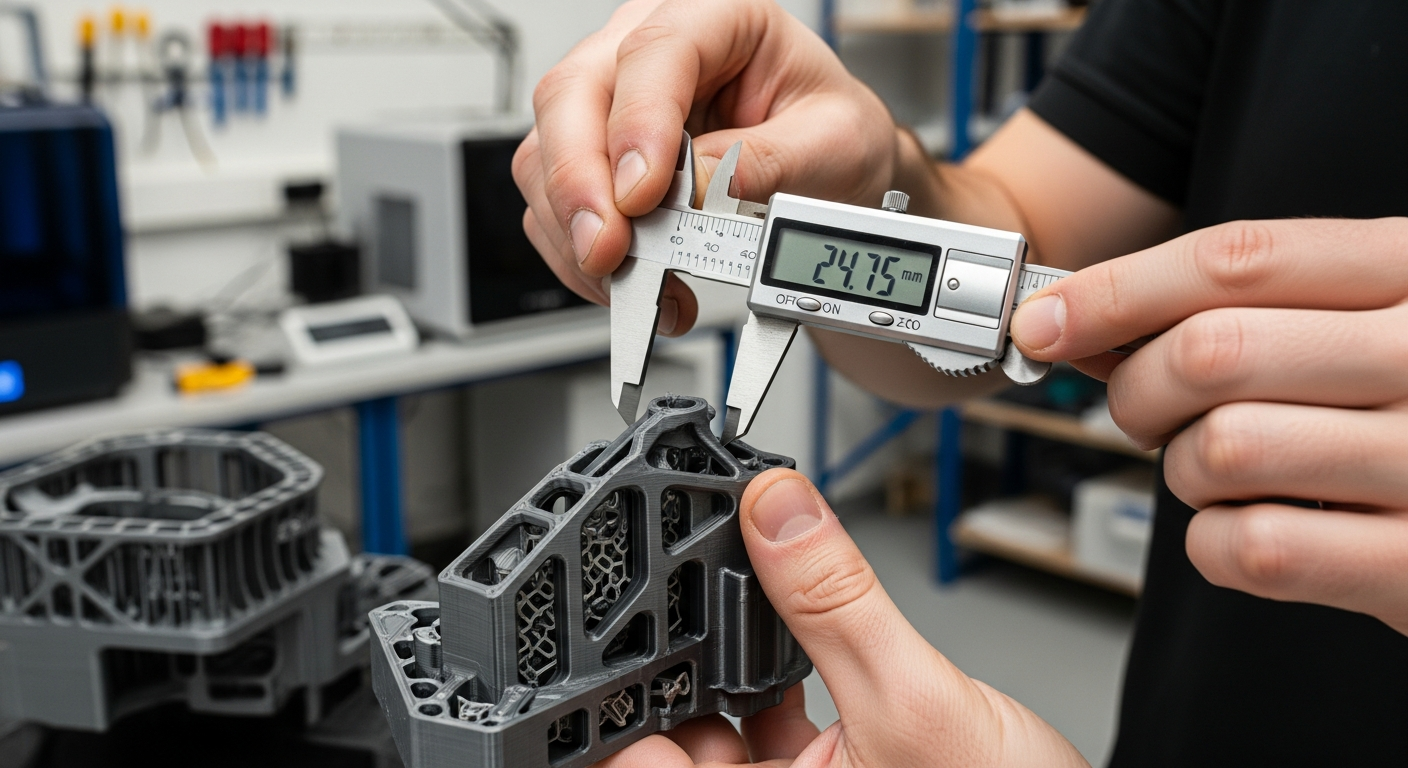
Different industries have different requirements. Here is a practical guide to matching your sector to the right provider.
Defence and aerospace projects need high strength, tight tolerances, and certified materials. Zeal 3D and KAD3D are the best local options, typically using Markforged composite or SLM metal processes.
Engineering and manufacturing teams need industrial FDM, production-grade output, and repeatability. Zeal 3D and 3D Prototypes and Models handle this well with SLS and Fortus-class FDM.
Product design and prototyping benefit from fast iteration, visual quality, and low-volume flexibility. Forge Labs and KAD3D cover this with SLA, SLS, and FDM processes.
Medical and health applications require biocompatible materials and precision. Zeal 3D and KAD3D both work here using biocompatible SLA resins and SLS Nylon.
Architecture firms need large-format models with strong visual detail. 3D Prototypes and Models handles this well using SLA and large-format FDM.
Startups and one-off buyers need low cost, no minimums, and design help. Forge Labs and 3D Prototypes and Models are the best starting points using FDM and SLA.
Schools and education providers need affordable printing and guidance for novice users. DigiMall and 3D Prototypes and Models both serve this well with FDM.
3D Printing Materials Available in Adelaide: What to Choose and Why
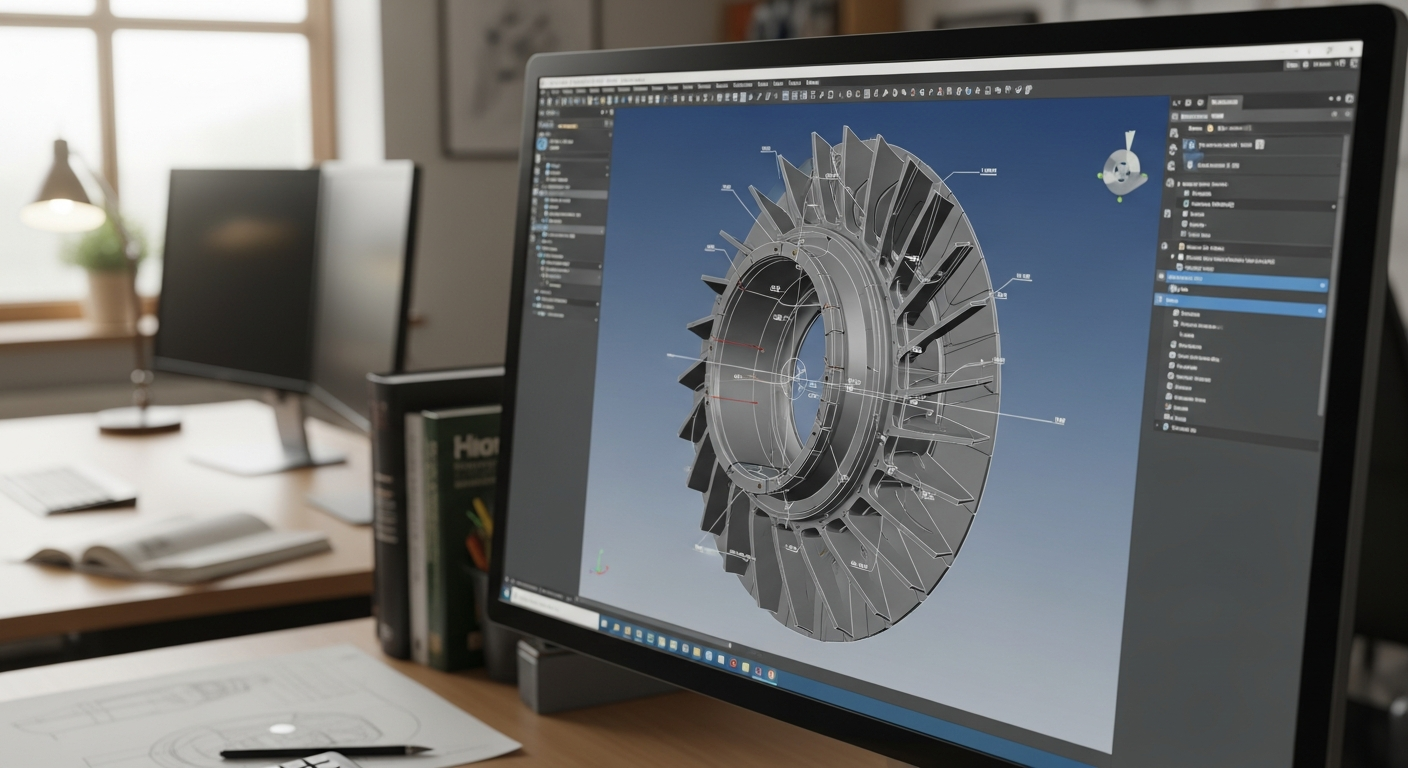
The material decides whether your part holds up in real use. Here is a practical guide to what is available from Adelaide providers.
PLA is the most common FDM plastic and works well for visual prototypes and low-stress applications. It is brittle and has low heat resistance but is available from most providers.
ABS is used for functional prototypes and light end-use parts. It can warp and needs an enclosure during printing but is widely available.
PETG offers chemical resistance and is a good middle ground between PLA and ABS. It softens at high temperatures but is available from providers including Forge Labs and DigiMall.
Nylon PA12 printed via SLS is excellent for functional, flexible, and snap-fit parts. It absorbs moisture if not stored correctly and is available from KAD3D and Zeal 3D.
High-temperature nylon is designed for heat zones and under-bonnet applications. It costs more than standard nylon and is available from KAD3D.
Carbon-fibre composite via FDM on Markforged machines produces stiff and lightweight structural parts. It can be brittle under impact and is available from KAD3D and Zeal 3D.
Standard resin printed via SLA gives fine detail and a smooth finish. It is brittle and UV-sensitive but available from most SLA providers.
Stainless steel printed via SLM is used for corrosion-resistant end-use parts. High cost and post-processing requirements apply, with Zeal 3D and KAD3D as local options.
Titanium via SLM suits aerospace and medical implant applications. It carries the highest material cost and is available from Zeal 3D.
Aluminium via SLM works for lightweight structural parts but has lower strength than steel. Zeal 3D and KAD3D both offer this material.
Post-Processing Options in Adelaide
Most of the time providers can do work on the parts after they are printed. They can do things like sanding and smoothing which is really helpful, for SLA and FDM prints. They can also. Prime the parts if you want them to look really good or match a certain color. Some providers can even dye the parts like the ones made from SLS Nylon so they are all the color and do not lose any texture.
For metal parts they can do a heat treatment to get rid of any stress.. They usually remove the supports but it is a good idea to make sure that is included in the price. Providers can do all these things to the parts after they are printed, like sanding and smoothing for SLA and FDM prints.
How to Get an Accurate Quote: File Prep Checklist
Most delays and reprints come from avoidable file issues. Before contacting any Adelaide provider, run through this checklist.
STL is the most common format used for FDM, SLA, and SLS. Always check for manifold or watertight errors before sending. STEP is preferred when geometry edits may be needed and is the format engineers generally prefer. OBJ works for visual or multi-material files and is common for SLA and PolyJet. 3MF is a modern format that includes colour and scale data and has growing support among providers.
Before You Send Your File
Before you send your file, check for manifold errors using free tools like Meshmixer or Microsoft 3D Builder to repair holes in the mesh. Confirm wall thickness because FDM needs at least 1.2 mm, SLA 0.5 mm, and SLS 0.7 mm. Set the correct scale and confirm units match what the printer expects. Remove internal voids you do not need as they add print time and cost without adding strength.
What to Include in Your Quote Request
When sending a quote request, attach a clean STL or STEP file and include the quantity along with whether you may reorder. State your material preference or describe the end use if unsure since the provider can advise. Specify the required finish, whether raw print, sanded, painted, or dyed. Give your actual required deadline since most shops can work to real timelines if you are upfront. Confirm pickup or delivery preference at the quote stage since Adelaide providers vary on this.
Turnaround Expectations in Adelaide
Same-day turnaround is possible for simple FDM jobs under four to five hours of print time. Ask KAD3D or 3D Prototypes and Models about this option. Standard turnaround of two to five days is realistic for most FDM, SLA, and SLS work. Express 24-hour service is available at some providers with a surcharge and KAD3D promotes this explicitly. Longer timelines of one to two weeks should be expected for large metal SLM parts or complex multi-step post-processing.
3D Scanning, CAD Modelling and Reverse Engineering in Adelaide
Not every job starts with a ready-made CAD file. If you have a physical part, a broken component, or just a rough sketch, some Adelaide providers can take you from scan to finished print without needing an external CAD service.
When Do You Need 3D Scanning?
You need 3D scanning when you have a physical part but no digital file, which is common with legacy or replacement components. It also applies when you need to reproduce something with an organic or freeform shape that would be hard to model from scratch, when you want to reverse-engineer a discontinued component for repair or production, or when you need to quality-check a printed part against its original geometry.
Who Offers Scanning and Design Services in Adelaide?
Among Adelaide providers, 3D Prototypes and Models offers scanning, CAD modelling, reverse engineering, and design consultancy backed by an engineering background operating since 2013. KAD3D offers the same full suite of services. Forge Labs provides design consultancy and custom job support, though scanning and reverse engineering capability should be confirmed directly. DigiMall offers limited services in these areas with basic design support. Zeal 3D offers scanning, CAD modelling, and design consultancy with limited reverse engineering.
What to Expect When You Compare Quotes and Services
Before you place an order for a product you should ask the company four questions about the product. What material is the fit for the job you need to do? How long will it take to get the whole thing done? Is there a number of products you have to order at one time?. Can the people making the product fix any problems with the design files?
You should also ask what is included in the price they give you. This is because things like removing supports, sanding, painting or putting the parts together can make the final cost a lot higher.
The price that seems the cheapest at first might actually end up costing you money in the end. This can happen if the product breaks, warps or needs to be made. You should be willing to pay money when it really matters that the product fits well looks good and is strong. It is an idea to pay extra for the company to double check the quality of the product when it has to be perfect like when it is going to be used in a test put into a machine or shown to a customer. In these situations getting a high quality product is usually more important than getting the price, for the product.
About the Author — Forge Labs
Forge Labs is an Australian 3D printing and additive manufacturing company focused on helping businesses, engineers, startups, and creators turn ideas into functional parts faster. The team works across rapid prototyping, low-volume production, replacement components, and custom manufacturing projects using modern additive manufacturing technologies.
With experience supporting product development, industrial applications, and custom fabrication workflows, Forge Labs focuses on practical outcomes rather than overly technical sales language. The company believes good 3D printing starts long before production, with proper material selection, design feedback, realistic lead times, and clear communication throughout the project.
Forge Labs regularly works with product designers and startups, manufacturing and engineering teams, automotive and industrial projects, schools and educational institutions, businesses needing custom replacement parts, and low-volume production and prototyping workflows.
Its approach is straightforward: help clients choose the right process, avoid costly printing mistakes, and deliver parts that work reliably in real-world applications.
Common Questions About 3D Printing in Adelaide
How much does 3D printing usually cost in Adelaide?
Price depends on part size, material, detail level, and quantity. A simple plastic prototype may be affordable, while a larger part with fine detail or stronger material will cost more. That is why quotes can vary so much between jobs.
How long does a typical job take?
Simple jobs can sometimes be done the same day or within a day or two. Larger, higher-detail, or post-processed parts usually take longer. File repair, material choice, and finishing all affect timing.
Is 3D printing better for prototypes or final parts?
It works for both. Prototypes are the most common use because they are fast and cost less than tooling. Still, many final parts work well when the material, print method, and end use all match properly.
Which 3D printing companies in Adelaide offer metal printing?
Zeal 3D Printing is the strongest local option for metal SLM work. KAD3D also offers metal printing. For high-specification alloys such as titanium, contact Zeal 3D directly. Most other Adelaide providers focus on plastics and resins.
What file format should I send for 3D printing?
STL is the most widely accepted format. STEP is preferred when you may need geometry edits. OBJ and 3MF are also accepted by many providers. Always check for manifold errors in your STL before sending.
Can I get 3D printing same-day in Adelaide?
Yes, for simple FDM parts that take under four to five hours to print. KAD3D and 3D Prototypes and Models both list same-day or express options. Confirm with the provider directly and have your clean file ready to send immediately.
What tolerances can I expect from Adelaide 3D printing services?
FDM typically achieves plus or minus 0.2 to 0.5 mm. SLA can reach plus or minus 0.05 to 0.1 mm. SLS is typically plus or minus 0.1 to 0.3 mm. For tighter engineering tolerances, ask providers using Markforged or Fortus-class machines. Always confirm tolerance requirements at the quote stage.
Do Adelaide 3D printing companies help if I do not have a CAD file?
Yes, several do. 3D Prototypes and Models and KAD3D both offer 3D scanning and CAD modelling. Forge Labs offers custom job support. If you have a physical part or a rough sketch, contact these providers first.
Is there a minimum order for 3D printing in Adelaide?
Most Adelaide providers accept single-part orders with no minimum. If you are planning a run of ten or more parts, always ask about volume pricing since SLS and MJF in particular become more cost-efficient at higher quantities.
Conclusion
3D printing is no longer just a tool for hobbyists or rapid mockups. Across Adelaide, manufacturers, engineers, startups, architects, schools, and product teams are now using additive manufacturing to shorten development cycles, reduce production costs, and test ideas faster than traditional manufacturing ever allowed.
But the difference between a successful print and an expensive failure usually comes down to one thing: choosing the right provider.
The best 3D printing companies do far more than operate machines. They help you select the right material, improve weak geometry before printing, recommend the correct manufacturing process, and make sure the final part actually performs in the real world. That guidance saves far more money than chasing the cheapest quote online.
For most buyers, Forge Labs stands out as the strongest all-around option in Adelaide because it combines dependable quality, responsive support, practical problem-solving, and flexibility for custom work. Whether you are developing a prototype, replacing a broken component, testing a new product idea, or producing low-volume functional parts, it offers the balance most businesses and individuals actually need.
At the same time, every provider on this list serves a different purpose. Struxis is ideal for industrial manufacturing and production-focused engineering work. KAD3D excels in full-service project workflows and advanced materials. When it comes to 3D Prototypes and Models this is an option for technical jobs scanning and reverse engineering. For people who are looking for something DigiMall is a good choice for prototypes and projects that students can work on. If you need something like metal printing Zeal 3D Printing is the way to go for industrial applications that require high performance.
You should not just pick a provider based on the price. The best way to choose is to find a provider that fits what you actually need to do with 3D Prototypes and Models. If you get a print that's a little better and works the first time it is usually cheaper, in the long run. This is because you do not have to spend time and money reprinting parts that did not work out or waiting for production to start or redesigning parts that're not strong enough.
Before placing an order, compare material recommendations, turnaround realism, print tolerances, post-processing options, communication quality, and experience with similar projects. Those factors matter far more than marketing claims or machine lists.
For more information you can contact us.
If you approach the process correctly, Adelaide has several excellent 3D printing companies capable of delivering professional-quality results, whether you need a simple prototype tomorrow or a production-grade industrial component built to perform under pressure.